
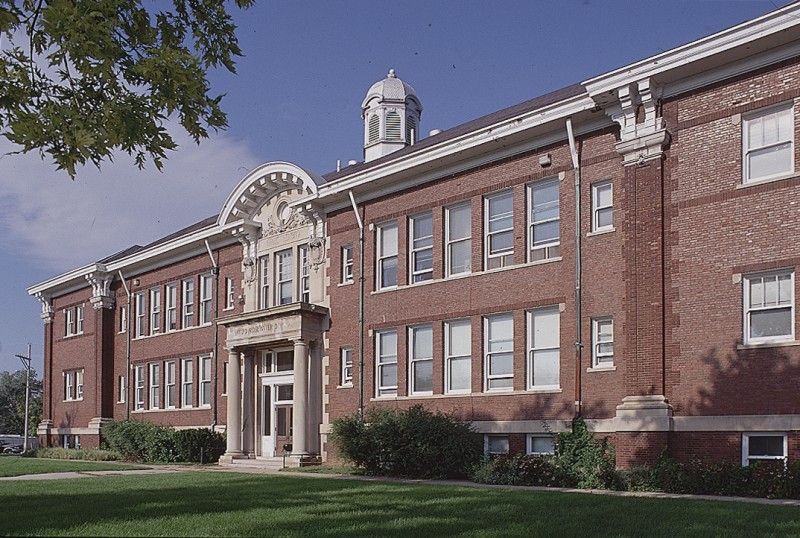
Bird Deterrent Devices to Keep Schools Free from the Bird Mess
School and Public Building Maintenance: The Role of Bird Control
Summertime provides an ideal window for facility managers to address routine building maintenance. Among these priorities, ensuring the integrity of heating, ventilation, and air conditioning (HVAC) systems is critical to maintaining operational efficiency and adhering to health and safety codes. Implementing professional bird deterrent devices is an essential step in preventing the accumulation of droppings and nesting materials near air intakes and structural assets.
Effective bird management protects vital rooftop infrastructure—including HVAC systems, electrical conduits, ventilation turbines, and solar panels—from the corrosive effects of acidic bird droppings. Because these droppings can rapidly degrade tar-based roofing materials and compromise mechanical components, proactive exclusion is a vital component of a facility’s long-term asset management strategy.
Beyond structural protection, bird control is a public health necessity. Accumulations of droppings on walkways, seating areas, and entrance points create sanitation risks for students, employees, and the general public. Modern bird deterrents are humane, low-profile, and designed for long-term, low-maintenance performance.
Professional Bird Control Methods
Bird Spikes
Professional bird spikes are a proven, worldwide solution for preventing birds from landing or roosting on rooftops, ledges, and signage. These blunted, humane devices intimidate pest birds by eliminating their ability to settle, effectively neutralizing the risk of damage without harming the animals.
Bird Netting
Bird netting provides a comprehensive physical barrier that denies pest birds access to large areas without trapping them.
- Heavy-Duty Polyethylene: Engineered from U.V.-resistant, high-strength mesh, this netting is available in various stock sizes and custom cuts to suit specific architectural needs.
- No-Knot Netting: Constructed from non-conductive, chemically inert polypropylene, this flame-resistant material is exceptionally lightweight, easy to handle, and resistant to rot, water, mold, and mildew.
For larger birds like pigeons and gulls, a 1-1/8" to 2" mesh size is standard. For smaller species, such as sparrows or starlings, a 3/4" mesh is recommended. Black netting is often preferred for outdoor applications, as it provides superior U.V. resistance and maintains a consistent appearance over time.
Electric Track Systems
The Bird Jolt Flat Track is a highly effective, discreet solution for deterring pigeons, gulls, and other large birds from structural edges. This system imparts a mild, persuasive static shock that safely conditions birds to avoid the treated area, permanently altering their roosting habits.
Sonic Deterrents
Sonic bird deterrent devices provide an automated, humane way to manage large open spaces. These systems broadcast pre-recorded distress and predator calls to trigger an instinctual flight response in a wide variety of species, including pigeons, crows, starlings, gulls, and woodpeckers. Advanced units feature programmable settings that vary the pitch, frequency, and timing of sounds to prevent bird acclimation, and are capable of broadcasting calls for over 24 types of birds.