
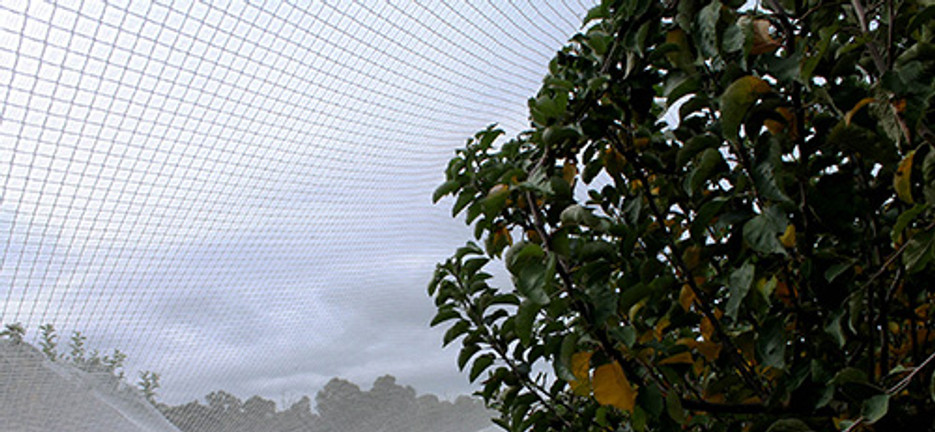
Fruit Tree Netting A Must
Fruit tree netting will protect your investment. Fruit tree netting is necessary to receive the full reward of your fruit tree rather than just watering, fertilizing, and pruning with no outcome. It is important not to let your crops and trees go to the birds. Fruit trees can be grown in just about any region including temperate, sub-tropical, and tropical regions. Most fruit in the United States is grown commercially in large orchards, but there are many varieties of fruit trees that are suitable for the backyard gardener. To explore additional methods for protecting your harvest, read our guide on birds stripping the fruit off your trees and how to protect fruit with garden netting.
Oranges and apples are the most widely grown fruit trees. Apples are a pome fruit that has been cultivated for centuries, originating over 2,000 years ago in eastern Europe and western Asia. Today, Washington, Michigan, New York, and Pennsylvania are the top apple producers in the United States.
When to Net Your Fruit Trees
In order to produce fruit, birds need to be kept away from the ripening yield. This is where fruit tree netting comes in. Bird netting is a much better choice than chemical sprays because fruit tree netting is environmentally friendly and wildlife-friendly. For a deeper look at this approach, see our guide on bird netting for trees can save your fruit.
You need to know when to cover your fruit trees with netting. This is important because they should not be covered during their entire growth cycle—doing so could block pollinators from reaching the flowers. Just after pollination, when the fruit begins to appear in its green form, is the ideal time to implement the netting. The netting is then used to cover the tree and protect the fruit as it ripens.
Installation Options
There are two primary installation options when applying garden netting to fruit trees:
- Draping directly over the tree: The netting can be draped directly over the foliage and secured tightly around the trunk. It needs to be tied carefully so as not to leave any open gaps where birds could enter or become trapped.
- Building a frame structure: Netting can be attached to a temporary frame built around the tree. This holds the mesh away from the outer branches, preventing birds from landing on the netting and pecking at fruit through the openings.
Combining Netting with Visual Scare Tactics
Along with fruit tree netting, scare tactics will also reduce nuisance birds in the area. Birds generally dislike bright or moving reflections. Visual diverters and reflective Mylar flash tape create dynamic flash and motion that frighten birds away before they land.
Using fruit tree netting and scare tactics—whether commercially or in a backyard garden—is a safe and humane way to keep birds away. Many bird species are protected under the Migratory Bird Treaty Act, making non-lethal exclusion methods the legal and responsible choice. For questions or assistance, contact Bird B Gone at 800-392-6915.
Even though our feathered friends can be a delight to watch in the yard, don't let your harvest go to the birds after working hard all season.
Related Articles and Further Exploration
To learn more about protecting your crops and managing pest bird challenges, check out these helpful resources: