
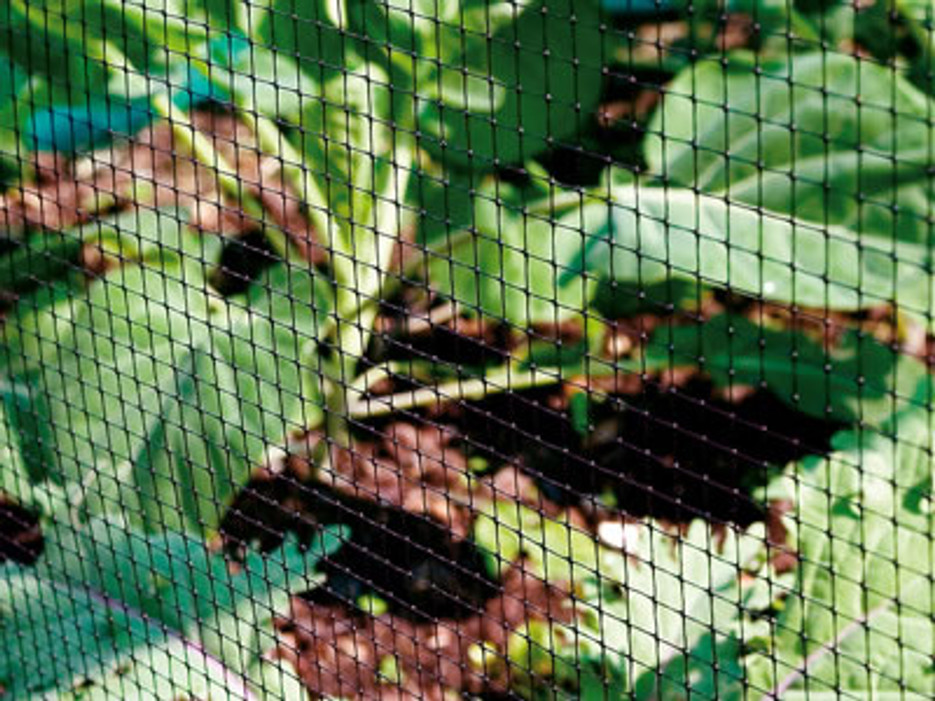
Gardening Netting for Ground and Container Gardens
The season of birds is here. Spring and summer bring increased bird activity around the home and city. If you aren't prepared for the arrival of migratory birds, you could experience significant damage to your home and garden. One area to pay close attention to is your garden, including the potted plants on your patio or balcony. Container gardening is a great way to grow plants in smaller spaces, but these plants also need protection to ensure birds don't wipe out your hard work overnight. Gardening netting is one of the most effective ways to shield your fruit and vegetable plants from hungry birds. For tailored solutions regarding potted layouts, read how plant netting enhances container gardening.
Common Garden Pests
Pigeons are notorious pests in almost every setting. They are particularly fond of the cabbage family, such as cauliflower, and will readily eat raspberries, gooseberries, and garden peas. While some birds might eat unwanted insects, many will also consume newly planted seeds before they have a chance to sprout, or peck at the foliage of established plants. Using a physical barrier is a necessary step to help your garden bloom to its full potential.
Using Garden Bird Netting
The easiest netting to use is known as Garden Bird Netting. It is lightweight, simple to drape over vegetable gardens and containers, and can be easily cut to fit specific areas. It is available in 14' x 100' and 14' x 200' rolls, with various mesh sizes—1/4", 1/2", and 3/4"—to protect against different bird species. For an easier installation, we recommend using netting clips to keep the material taut. Effective netting should be made from durable, U.V.-protected polypropylene, which is strong yet practically invisible. You can install this netting on a temporary, seasonal basis, or set it up permanently to protect your plants year-round. To explore broader backyard applications, discover whether netting for garden plants will work in backyard gardens.
Combining Solutions for Better Results
Visual bird deterrents can be highly effective when used in combination with netting. Options like flash tape, scare balloons, and diverters are designed to move in the breeze, utilizing predator markings to spook birds away. Their shiny, reflective surfaces also create a visual distraction that makes an area feel unsafe. These can be placed in trees, on posts near the garden, or on stakes directly inside your containers.
Birds will want to avoid any area equipped with visual deterrents, and the physical barrier of the netting will prevent them from accessing your plants altogether. Other physical deterrents, such as spider-like devices with swinging arms, can also sweep birds away from an area. These are particularly useful on rooftops to prevent birds from roosting and looking down into your backyard.
Gardening is hard work; it only makes sense to protect the time and money you have invested. As you plan your garden this year, make sure bird control is a key part of your strategy. For more details on ground setups, check out our guide on gardening netting for ground and container gardens.
While general garden netting provides excellent coverage for your vegetable plots, your fruit-bearing bushes require more specific protection. See our guide on bird netting for garden berry plants to learn how to keep your harvest safe.