
When Migratory Birds Become Pest Birds
Many migratory birds are beautiful and contribute to our natural ecology. But some, like Canada geese, woodpeckers, and swallows, can quickly become pests if they are not properly controlled. If you’ve had a problem with any of these birds—or expect to—it’s best to act now before they arrive. For more expert insights on managing these nuisance animals, check out our guides on how to safely and humanely get rid of birds and why prevention is key to having a pest bird-free environment.
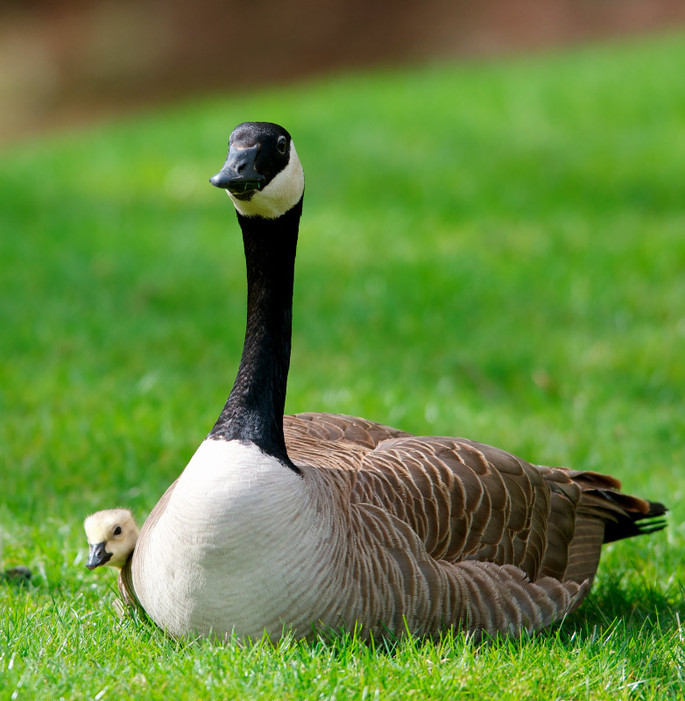
Canada Geese Trample and Poop
It’s no secret that Canada geese are not shy about trampling and eating flowers, plants, and other vegetation around public parks, commercial landscapes, and golf courses. When they process what they've eaten, these large, heavy birds leave mounds of messy, smelly droppings on lawns, gardens, and walkways. A single goose can defecate every 20 minutes, leaving up to 1.5 pounds of feces each day. These droppings are not only unsightly, but they can also carry diseases. Gathered around ponds and other decorative water features, these large, noisy birds can leave quite a mess, often necessitating frequent cleanup of water areas.
Woodpeckers Damage Wood and Surfaces
These persistent birds will peck holes into almost any wood surface. They drill into eaves, window frames, and trim boards—whether it’s cedar, redwood siding, plywood, pine, fir, or cypress. Woodpeckers will even peck at metal gutters, downspouts, chimney caps, TV antennas, rooftop plumbing vents, and metal roof valleys to attract mates. The resulting noise can be deeply annoying and quite destructive to property structures. For more tips on keeping them away, see our woodpecker control guide.
Swallow Nests Deface and Damage Property
The gourd-shaped mud nests that swallows build under eaves, awnings, patio covers, and similar semi-outdoor areas can severely damage these surfaces. Swallows can also create a major health hazard: bacteria, fungal agents, and parasites found in swallow droppings and abandoned nests can carry serious diseases such as histoplasmosis, encephalitis, salmonella, meningitis, and toxoplasmosis. In commercial settings, health inspectors can shut down a business that suffers from unmanaged bird droppings and nests.
An Ounce of Humane Prevention
The Migratory Bird Treaty Act makes it illegal to intentionally capture, kill, or disrupt any migratory bird or their active nests and eggs. Because of this, it is crucial to act proactively and humanely *before* these birds arrive to keep them off your property. The best way to achieve this is by implementing Bird B Gone’s humane, highly effective bird deterrents.
Expert Assistance
If you’re unsure about which bird deterrent would work best for your specific situation, Bird B Gone has decades of combined experience in the field of bird control. We can help you with product selection, installation, and cleanup. Just call us at 800-392-6915 for a catalog, pricing, or product samples, or email us at nobirds@birdbgone.com. We also work with a network of authorized installers—call today to find a trained bird control professional in your area.