
Netting for Garden Plants Will it Work in Backyard Gardens?
Spring has sprung. It is a very prevalent time of year for many who have been hunkered down during winter. This involves both humans and animals, including birds. Winter is a very distant memory when you start to see life outside the window begin to grow and become colorful again. It is time for netting for gardens. For guidance on securing your growing spaces, explore how to keep pest birds out with bird netting.
The Spring Migration and Backyard Threats
The migration of birds is another sign that it is springtime. It may seem like flocks of birds appear overnight. The chirping and activity can be charming after a long dark winter, but do not let the fluttering fool you. Their twittering about means they are looking for shelter, food, and their mate. One mating ritual that takes place each spring is offering food to one another. The male bird typically will bring a morsel to the female, which demonstrates that he is capable of finding food, and that he shares and is able to provide for her while she incubates eggs or tends to her brood.
If you are a backyard gardener, be sure that these morsels are not from your garden. Do not let resident or migratory birds ruin the creation of your garden. To ensure a fruitful harvest, include netting for garden plants as part of your bird deterrent plan. To discover additional defensive strategies, read our guide on why plant netting can save your plants from pest birds.
Physical Protection with Garden Plant Netting
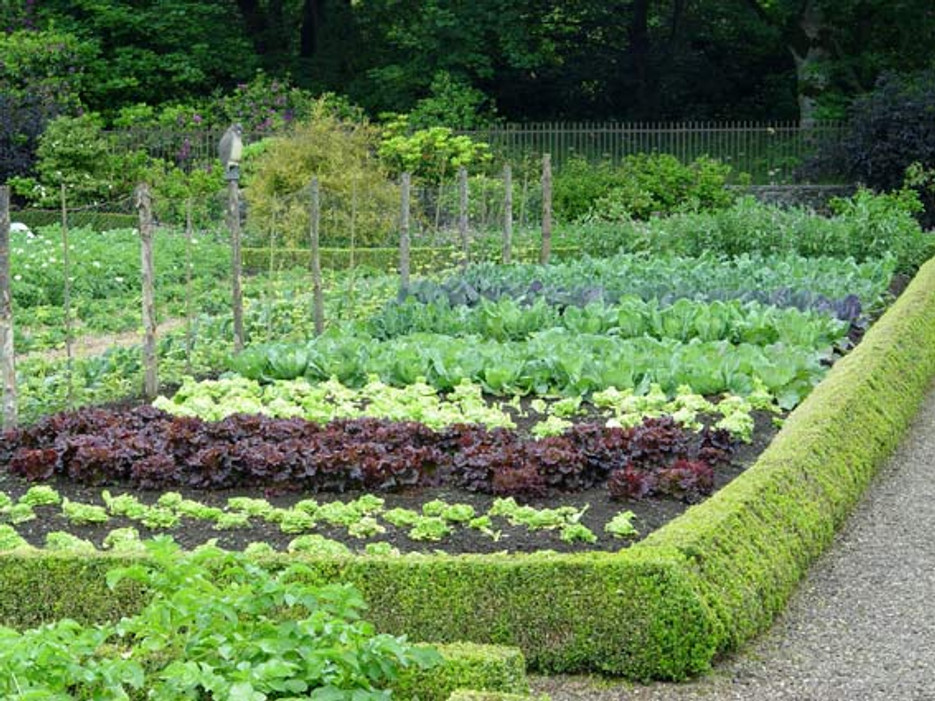
Netting for garden plants will protect your fruit trees, berry bushes, and any other plants that produce anything you do not want pest birds to reach. Netting for garden plants is a basic physical bird deterrent that creates a barrier between birds and your precious garden, making it ideal for any backyard gardener to put into practice.
Installation Best Practices
Netting for garden plants is lightweight and easy to handle during installation. It is recommended to suspend the garden netting over the plants by at least a few inches. Place stakes around the sides of the area and attach the netting to the stakes using a staple gun, net clips, or hooks. Plants can also be individually wrapped with the garden netting as well. Protecting fruit trees is easy too: simply measure the circumference of the tree, then cut a piece about an extra foot larger. The netting is then secured to the tree with twine, zip ties, or hog rings. It is important not to leave any gaps where birds can squeeze into the netting, as this can cause them to become trapped inside the protected area.
Enhancing Protection with Multi-Tactic Deterrents
Pairing netting for garden plants with another type of bird deterrent is always best. A simple stream of Mylar flash tape hung from trees and the netting creates the perfect visual distraction to complement your physical barrier. Diverters in trees work well too; they scare birds away with their unique predator eye design and shiny surfaces, since birds naturally dislike anything that flashes and reflects light. For more tips on setting up physical safeguards, check out our resource on how plant netting for gardens keeps birds out.
Do not let pest birds take over your backyard garden. Take control with trusted bird deterrent products that will keep birds away all season long.