
Why is Bird Control Important
If you're asking, "Why is bird control important?" we're here to answer some of your most asked questions. Birds can become a nuisance when they choose to roost or nest in unwanted areas. Birds, bird droppings, and nesting materials can negatively impact our surroundings by creating health and safety risks or detracting from a building's architectural features, while installing bird control products provides a humane way to deter birds from landing, roosting, or nesting.
Here are some of the main reasons why bird control is important:
- Birds, bird droppings, and nesting materials carry transmittable diseases and ectoparasites.
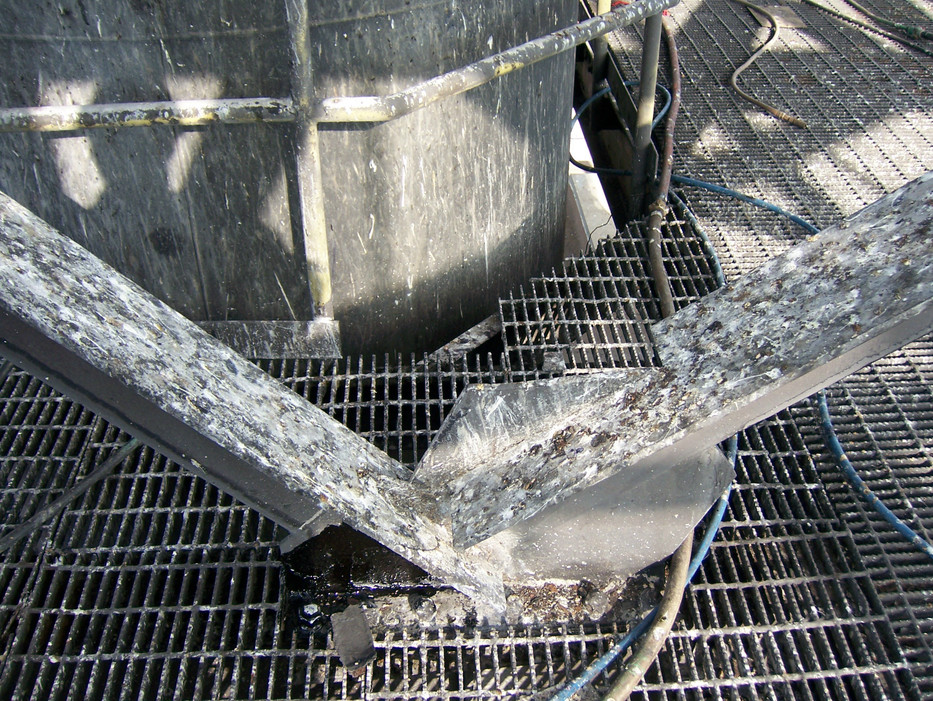
- Bird droppings are highly acidic and can stain and corrode building materials.
- Birds can contaminate food production and inventory when they nest in warehouses.
- Regular cleanup of bird droppings can cost businesses thousands of dollars every year.
- Bird nests can clog drains and pose a fire risk near lighting or other features.
- Bird droppings can be a liability by creating a slip-and-fall risk.
The longer birds are allowed to nest or roost in an unwanted area, the harder it will be to get them to leave. It's important to take a proactive approach when dealing with pest birds, which in the long run can save you time and money.
Health Risks
Birds, bird droppings, and nesting materials can carry 60 different diseases and ectoparasites that can be passed to humans and animals. If dried bird droppings are found near ventilation systems, they can travel through buildings, potentially infecting inhabitants with compromised immune systems.
Inventory Damage
Bird droppings can damage products and contaminate production lines. Birds can often be found nesting or perching on rafters in warehouses and storage facilities, and bird droppings present in such areas may violate health codes.
Poor Image
Bird droppings and nests are an unattractive feature for homes and businesses. Birds on a ledge or sign, or droppings covering a sidewalk, may send a message to visitors that the business is careless.
Cost of Cleanup
Businesses that clean up after birds on a daily or weekly basis are wasting money and exposing employees to health risks. Some businesses spend thousands of dollars each year on the regular cleanup of bird droppings, whereas installing bird control products can save businesses time and money.
Property and Equipment Damage
Bird droppings may render machinery or equipment inoperable or require regular cleanup so operators are not exposed. Because droppings are highly acidic and can corrode building materials and stain fabrics, affected surfaces often need restoration or complete replacement once damaged.
Health Code Violations
Pest bird droppings found in food processing plants, restaurants, storage facilities, or other areas may violate health codes, resulting in fines, legal action, or closures. Birds are considered pests and need the same level of consideration as roaches or rats.
Work Stoppages
Employees should not work in areas that are unsafe due to an accumulation of bird droppings, which carry disease and affect those with weakened immune systems. If an employee becomes sick due to an ignored bird problem, the business will most likely be liable.
Slip and Fall Risk
Bird droppings can be slippery. If a customer or employee falls, they may sue the building owner or property manager—as demonstrated when a man in New York City was awarded $6 million in 2006 after slipping on pigeon droppings in a subway.
Clogged Drains
Droppings and nesting materials regularly clog drains and gutters. This can cause additional problems on roofs and other areas by damming water and creating the potential for flooding.